Nissan Rogue: “Warning Malfunction ─ See Owner’s Manual” ⎯ A Comprehensive Guide (Updated 04/15/2026)
Updated 04/15/2026 11:10:43 – This guide addresses a concerning issue: the “Warning Malfunction” light appearing on Nissan Rogue dashboards‚ prompting owners to consult their vehicle’s manual.
Understanding the Warning Light
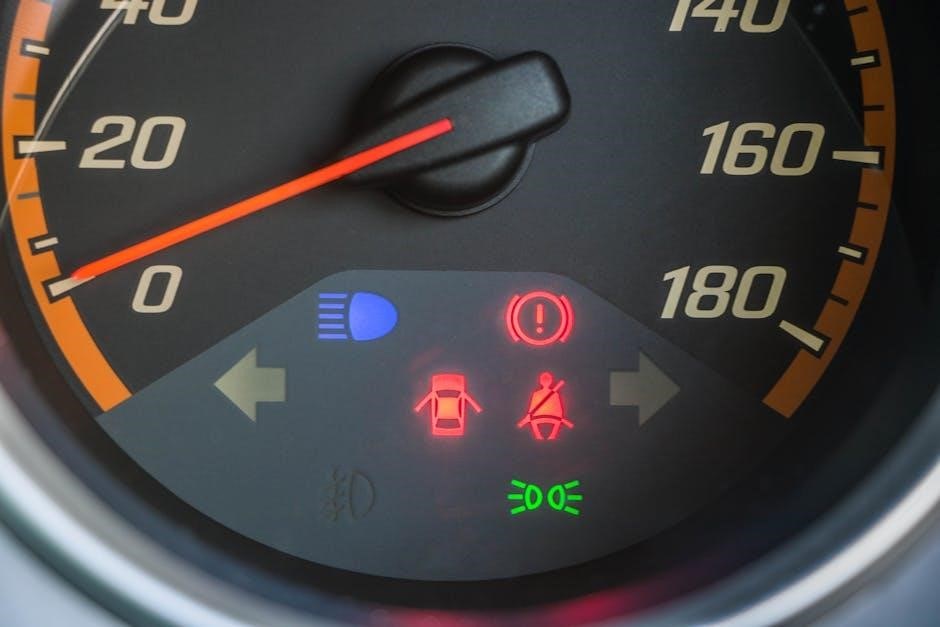
The illuminated “Warning Malfunction ─ See Owner’s Manual” light on your Nissan Rogue’s dashboard is a critical signal indicating a potential problem within one or more of the vehicle’s advanced driver-assistance systems (ADAS). This isn’t a light to ignore; it signifies that a system isn’t functioning as intended and requires immediate attention. The light’s broad nature – it doesn’t specify which system is malfunctioning – is why the owner’s manual is the first point of reference.
It’s crucial to understand this isn’t necessarily an indication of a severe mechanical failure‚ but rather a disruption in the electronic systems that support safety features. The National Highway Traffic Safety Administration (NHTSA) is currently investigating complaints regarding the automatic emergency braking system activating unexpectedly in some Rogue models‚ highlighting the importance of understanding this warning and seeking appropriate diagnosis.
What Does “Warning Malfunction ─ See Owner’s Manual” Mean?
This warning message signifies that a component within one of the Nissan Rogue’s safety systems has detected an issue and is temporarily deactivated. The system isn’t operating at its full capacity‚ potentially compromising the functionality of features like Automatic Emergency Braking‚ Lane Departure Warning‚ or Blind Spot Warning. The owner’s manual provides specific guidance on interpreting the light and recommended actions.
Essentially‚ the vehicle’s computer has identified a fault and is alerting the driver. The NHTSA investigation into unexpected automatic emergency braking activations underscores the seriousness of this warning. Ignoring it could lead to a loss of crucial safety assistance. Consulting the manual is the first step to understanding the scope of the problem and determining if professional service is needed.
Common Systems Triggering the Warning
The “Warning Malfunction” light on a Nissan Rogue is most frequently triggered by issues within the Advanced Driver-Assistance Systems (ADAS). These include the Automatic Emergency Braking (AEB) system‚ which can activate unexpectedly as per the current NHTSA investigation. Other common culprits are the Forward Collision Warning (FCW)‚ Lane Departure Warning (LDW)‚ and Blind Spot Warning (BSW) systems.
Because these systems rely on a network of sensors and cameras working in unison‚ a fault in any single component can illuminate the warning. It’s important to remember that the light doesn’t pinpoint the exact problem‚ only that a problem exists within one of these interconnected safety features‚ requiring further diagnosis.
Automatic Emergency Braking (AEB) System
The Automatic Emergency Braking (AEB) system is a critical safety feature designed to prevent or mitigate collisions. However‚ recent reports and the ongoing NHTSA investigation highlight instances of unintended AEB activation in Nissan Rogues. This can manifest as sudden braking even when no obstacle is present‚ triggering the “Warning Malfunction” light.
The system utilizes radar and camera technology to detect potential hazards. Malfunctions can stem from sensor inaccuracies‚ software glitches‚ or calibration issues. When the AEB system detects a fault‚ it often disables itself and illuminates the warning‚ prioritizing safety by removing autonomous braking functionality until the issue is resolved by a qualified technician.
Forward Collision Warning (FCW) System
The Forward Collision Warning (FCW) system works in conjunction with the Automatic Emergency Braking (AEB) system‚ alerting the driver to potential front-end collisions. It uses sensors to monitor the distance and speed relative to vehicles ahead. A malfunction within the FCW system can also trigger the broader “Warning Malfunction” indicator on the Nissan Rogue’s dashboard.
Unlike AEB‚ FCW primarily provides an audible and visual warning‚ allowing the driver to react. However‚ if the FCW system incorrectly identifies a threat or experiences a sensor error‚ it can generate false alarms. These false positives‚ alongside genuine system failures‚ contribute to the reported issues and the current NHTSA investigation‚ emphasizing the need for accurate system operation and proper diagnostics.
Lane Departure Warning (LDW) System
The Lane Departure Warning (LDW) system in the Nissan Rogue utilizes a camera to monitor lane markings. When the vehicle begins to drift outside its lane without signaling‚ LDW provides a visual or haptic (steering wheel vibration) alert to the driver. A malfunctioning LDW system‚ though seemingly separate‚ can contribute to the overarching “Warning Malfunction” message appearing on the instrument cluster.
Issues with the camera’s view – due to obstruction‚ calibration problems‚ or internal failure – are common causes. Similar to other advanced driver-assistance systems (ADAS)‚ a fault in LDW can trigger a cascade of warnings. The ongoing federal investigation considers the potential for interconnected system failures‚ highlighting the importance of a comprehensive diagnostic approach when addressing this warning.
Blind Spot Warning (BSW) System
Nissan Rogue’s Blind Spot Warning (BSW) system employs radar sensors‚ typically located in the rear bumper‚ to detect vehicles in the driver’s blind spots. When a vehicle is detected‚ a warning indicator illuminates in the side mirrors. Like the Lane Departure Warning and Automatic Emergency Braking systems‚ a fault within the BSW can trigger the general “Warning Malfunction” alert‚ requiring owner’s manual consultation.
Potential issues include sensor damage‚ obstruction from dirt or debris‚ or internal electronic failures. The current NHTSA investigation acknowledges the possibility of multiple ADAS systems malfunctioning concurrently. Therefore‚ diagnosing a BSW issue requires careful consideration of potential interactions with other safety features. A proper diagnosis is crucial for resolving the warning and ensuring continued safety.
Potential Causes of the Malfunction
The “Warning Malfunction” message on Nissan Rogues stems from a variety of underlying issues within the Advanced Driver-Assistance Systems (ADAS). These range from simple sensor obstructions to complex software glitches. The ongoing NHTSA investigation highlights concerns about the Automatic Emergency Braking system activating unexpectedly‚ but this can manifest as a broader system malfunction warning.
Common culprits include dirty or misaligned sensors‚ camera calibration problems‚ and wiring faults. Software errors within the Electronic Control Unit (ECU) are also frequently implicated. It’s important to note that multiple systems can trigger the warning simultaneously‚ making pinpointing the root cause challenging without professional diagnostics.
Sensor Issues & Obstructions
A primary cause of the “Warning Malfunction” is often related to the vehicle’s sensor suite. The Nissan Rogue relies heavily on radar sensors‚ cameras‚ and ultrasonic sensors for its ADAS features. These sensors are susceptible to interference from dirt‚ snow‚ ice‚ or even a damaged windshield. Even a minor obstruction can disrupt the sensor’s ability to accurately perceive the surrounding environment.
Bumper damage or aftermarket modifications can also misalign sensors‚ leading to false readings. Regularly inspecting these sensors for cleanliness and ensuring they are free from physical obstructions is crucial. Remember‚ even seemingly insignificant debris can trigger the warning light and potentially disable safety systems.
Camera Calibration Problems
The Nissan Rogue’s forward-facing camera‚ essential for features like Automatic Emergency Braking and Lane Departure Warning‚ requires precise calibration. Even slight misalignment – potentially occurring after a windshield replacement‚ suspension work‚ or even a minor collision – can severely impact its performance. Incorrect calibration leads to inaccurate object detection and distance estimation.
When the camera can’t “see” the road accurately‚ the system may falsely interpret situations‚ triggering the “Warning Malfunction” light. Professional recalibration‚ using specialized equipment‚ is necessary to restore proper functionality. Ignoring this issue can compromise the reliability of crucial safety features‚ increasing the risk of an accident.
Wiring and Electrical Faults

The complex network of wiring and electrical connections supporting the Nissan Rogue’s safety systems is susceptible to faults. Corrosion‚ damaged wiring harnesses (from road debris or animal intrusion)‚ and loose connections can disrupt the flow of signals between sensors‚ the ECU (Engine Control Unit)‚ and other vital components. These disruptions frequently manifest as the dreaded “Warning Malfunction” indicator.
Intermittent electrical issues can be particularly challenging to diagnose‚ as symptoms may appear and disappear unpredictably. A thorough inspection by a qualified technician‚ utilizing diagnostic tools to pinpoint voltage drops or signal interruptions‚ is crucial. Addressing these wiring and electrical faults is paramount for restoring system stability and preventing recurring malfunctions.
Software Glitches & ECU Errors
Modern vehicles‚ like the Nissan Rogue‚ rely heavily on software to manage intricate safety systems. Glitches within the software controlling Automatic Emergency Braking (AEB)‚ Forward Collision Warning (FCW)‚ and other related features can trigger false warnings. Errors within the ECU‚ the vehicle’s central computer‚ can also misinterpret sensor data‚ leading to the “Warning Malfunction” illumination.
These software issues may stem from corrupted files‚ incomplete updates‚ or underlying programming bugs. Nissan frequently releases software updates to address known problems; ensuring your Rogue has the latest firmware is vital. A diagnostic scan can reveal ECU error codes‚ providing technicians with clues to pinpoint the source of the software-related malfunction and implement a corrective solution.
NHTSA Investigation & Recalls (as of 04/15/2026)
As of today‚ April 15th‚ 2026‚ the National Highway Traffic Safety Administration (NHTSA) is actively investigating complaints regarding the Automatic Emergency Braking (AEB) system in certain Nissan Rogue models. Reports indicate the AEB system can activate unexpectedly and without apparent obstructions‚ posing a potential safety risk.
The investigation focuses on determining the root cause of these phantom braking events and assessing the scope of the problem across different model years. While no official recall has been issued as of this date‚ NHTSA’s investigation could lead to a recall if a safety defect is confirmed. Owners are encouraged to report any instances of unintended braking to NHTSA to contribute to the ongoing investigation and potential safety improvements.

Details of the Federal Government Investigation
The NHTSA investigation‚ initiated following a growing number of owner complaints‚ centers on the Nissan Rogue’s AEB system. Preliminary reports suggest the system erroneously detects obstacles‚ triggering automatic braking even when no hazard exists. This unpredictable behavior raises concerns about potential rear-end collisions and increased stopping distances in genuine emergency situations.
Investigators are analyzing data from vehicle event recorders‚ owner reports submitted to NHTSA‚ and conducting preliminary assessments of the system’s software and sensor functionality. The agency is seeking to determine if a common defect exists across multiple model years and if the issue stems from software glitches‚ sensor malfunctions‚ or a combination of factors. The investigation’s findings will dictate the next steps‚ potentially including a recall.
Affected Nissan Rogue Model Years
As of April 15‚ 2026‚ the NHTSA investigation currently encompasses Nissan Rogue model years 2018 through 2023. However‚ the agency clarifies that this range is preliminary and subject to change as the investigation progresses and more data becomes available. Initial complaints appear to be concentrated within the 2019-2021 model years‚ but reports have been received across the entire specified range.
Nissan is cooperating fully with the NHTSA investigation‚ providing requested data and assisting with the analysis. Owners of Rogues within these model years are encouraged to report any instances of unintended braking or “Warning Malfunction” light activations to NHTSA‚ contributing to a more comprehensive understanding of the issue’s scope and severity.
Recall Notices and Repair Information
Currently‚ as of April 15‚ 2026‚ Nissan has not issued a formal recall related to the unintended braking issue and the “Warning Malfunction” light in the Rogue. However‚ given the ongoing NHTSA investigation‚ a recall is a distinct possibility pending the findings. Owners are advised to regularly check the NHTSA website (www;nhtsa.gov/recalls) using their Vehicle Identification Number (VIN) for the latest recall information.
If a recall is issued‚ Nissan will notify affected owners directly and provide details regarding free repairs at authorized Nissan dealerships. Until a recall is announced‚ owners experiencing the issue should contact their local Nissan dealer to discuss potential diagnostic and repair options‚ though costs may apply.
Troubleshooting Steps (Before Visiting a Mechanic)
Before scheduling a potentially costly mechanic visit‚ Rogue owners can perform some preliminary checks. First‚ visually inspect all sensors located on the front bumper and windshield for any obvious damage or obstructions like dirt‚ snow‚ or ice. Ensure the windshield is clean‚ as grime can interfere with camera functionality.
Check for obstructions directly in front of the vehicle. A simple restart of the vehicle can sometimes clear temporary software glitches; attempt this before further action. If the light persists after restarting‚ consult your owner’s manual for specific system reset procedures‚ if available. Document when and where the warning occurs to aid diagnosis.
Visual Inspection of Sensors
A thorough visual inspection is the first step in diagnosing the “Warning Malfunction” light. Begin by carefully examining the radar sensor‚ typically located behind the Nissan emblem on the front grille. Look for any physical damage – cracks‚ dents‚ or misalignment. Next‚ inspect the camera mounted near the rearview mirror‚ ensuring the windshield in its field of view is spotless.
Check for obstructions like bird droppings‚ bug splatters‚ or even a dirty windshield wiper blade obstructing the sensor’s line of sight. Also‚ verify nothing is attached to the sensors or blocking their operation. Any visible damage or obstruction should be noted‚ as it could be the root cause of the malfunction.
Checking for Obstructions (Windshield‚ Bumper)
Obstructions significantly impact the functionality of the Nissan Rogue’s safety systems. Begin with the windshield‚ meticulously checking for dirt‚ grime‚ stickers‚ or even internal dashboard items reflecting light into the camera’s view. Pay close attention to the area directly behind the rearview mirror where the forward-facing camera resides.
Next‚ inspect the front bumper area‚ specifically around the radar sensor. Look for mud‚ snow‚ ice‚ or any aftermarket additions like license plate frames that might interfere with the sensor’s signal. Ensure nothing is hanging or loosely attached that could move and obstruct the sensor during operation. A clear line of sight is crucial for proper system performance.
Restarting the Vehicle & Resetting the System (if applicable)
A simple restart can sometimes resolve temporary glitches triggering the “Warning Malfunction” light. Completely power down the Nissan Rogue – turn off the engine‚ remove the key (or press the start/stop button)‚ and wait for several minutes. This allows the vehicle’s electronic control units (ECUs) to fully reset.
Upon restarting‚ observe if the warning light reappears. Some minor‚ transient issues may self-correct with a system reboot. However‚ do not attempt any complex resets or calibrations yourself. Refer to your owner’s manual for specific instructions regarding system resets‚ as incorrect procedures could worsen the problem or void your warranty. If the light persists‚ professional diagnosis is essential.
Professional Diagnosis & Repair
When the “Warning Malfunction” light remains illuminated after basic troubleshooting‚ seeking professional assistance is crucial. A qualified technician‚ preferably Nissan certified‚ possesses the specialized tools and expertise to accurately diagnose the underlying cause. They will utilize diagnostic scan tools to retrieve error codes from the vehicle’s systems‚ pinpointing the affected components.

Repair procedures vary depending on the diagnosis‚ potentially involving sensor replacement‚ camera recalibration‚ wiring repairs‚ or even ECU reprogramming. Attempting complex repairs without proper training can be dangerous and may cause further damage. Trusting a certified technician ensures the repair is performed correctly‚ restoring the safety systems to full functionality and addressing the root cause of the warning.
Importance of Nissan Certified Technicians
Addressing the “Warning Malfunction” light on your Nissan Rogue demands specialized knowledge. Nissan Certified Technicians undergo rigorous training specifically focused on Nissan vehicles‚ including the intricate safety systems prone to triggering this warning. Their expertise extends beyond general automotive repair‚ encompassing Nissan’s unique diagnostic procedures and repair protocols.
These technicians have access to Nissan’s technical service bulletins‚ detailed repair information‚ and specialized diagnostic tools unavailable to general mechanics. This ensures accurate diagnosis and effective repairs‚ particularly crucial given the potential for issues with Automatic Emergency Braking (AEB) and related systems. Choosing a certified technician minimizes misdiagnosis‚ prevents unnecessary repairs‚ and guarantees the safety systems are restored to optimal working condition‚ safeguarding you and your passengers.
Diagnostic Tools Used for System Analysis
Pinpointing the cause of the “Warning Malfunction” light requires sophisticated diagnostic tools. Nissan technicians utilize the Nissan Intelligent Keys (NKI) and Consult III Plus diagnostic scan tool‚ accessing the vehicle’s onboard computer to retrieve Diagnostic Trouble Codes (DTCs). These codes offer clues about malfunctioning systems‚ like AEB‚ FCW‚ or LDW.
Beyond scan tools‚ multimeters assess electrical circuit integrity‚ while oscilloscopes visualize sensor signals‚ identifying anomalies. Radar and camera calibration tools are essential for ensuring accurate operation of safety features. Specialized software allows for live data streaming‚ monitoring system performance in real-time. Accurate diagnosis relies on interpreting data from these tools‚ combined with the technician’s expertise‚ to resolve the underlying issue effectively.
Common Repair Procedures (Sensor Replacement‚ Calibration)
Addressing the “Warning Malfunction” often involves targeted repair procedures. If a sensor is faulty – radar‚ camera‚ or wheel speed – replacement with a genuine Nissan part is crucial. Post-replacement‚ precise calibration is paramount. Radar sensors require static and dynamic calibration‚ ensuring accurate distance measurement. Camera calibration involves aligning the camera to the vehicle’s axis‚ using specialized targets and software.
Furthermore‚ software updates via the Nissan Service Information System (NSIS) can resolve ECU glitches. Technicians may also perform wiring harness inspections and repairs. Thorough testing after each procedure confirms proper system functionality and verifies the warning light is extinguished‚ restoring safety feature operation.
Preventative Maintenance to Avoid Malfunctions
Proactive maintenance significantly reduces the risk of “Warning Malfunction” alerts. Regular sensor cleaning – particularly radar and camera lenses – removes dirt‚ ice‚ and debris that obstruct signals. Schedule software updates through a Nissan dealership to ensure the vehicle’s Electronic Control Unit (ECU) operates with the latest calibrations and bug fixes.
Consistent battery health checks are vital; a weak battery can cause erratic sensor behavior. Inspect wiring harnesses for damage or corrosion. Adhering to the Nissan recommended service schedule‚ including alignment checks‚ contributes to optimal system performance and minimizes the likelihood of encountering these frustrating warning messages.
Regular Sensor Cleaning
Maintaining clean sensors is paramount for reliable operation of the Nissan Rogue’s safety systems. The Forward Collision Warning (FCW) and Automatic Emergency Braking (AEB) systems rely heavily on unobstructed views from the forward-facing radar and camera. Gently clean these sensors with a soft‚ damp cloth and a mild detergent; avoid abrasive cleaners.
Blind Spot Warning (BSW) sensors‚ located in the rear bumper‚ should also be kept free of dirt‚ snow‚ and ice. Regularly inspect and clean these sensors‚ especially during inclement weather. Proper cleaning ensures accurate detection and minimizes false positives‚ reducing the chance of unwarranted “Warning Malfunction” alerts and maintaining optimal safety features.
Software Updates & Firmware Flashes
Nissan frequently releases software updates and firmware flashes designed to improve the performance and reliability of vehicle systems‚ including those related to the “Warning Malfunction” indicator. These updates often address glitches within the Electronic Control Unit (ECU) that can trigger false alerts or system malfunctions.
Check the Nissan website or utilize the NissanConnect app to determine if any updates are available for your specific Rogue model year. Installing these updates is crucial‚ as they can resolve known issues affecting the AEB‚ FCW‚ LDW‚ and BSW systems. Ignoring available updates may leave your vehicle vulnerable to recurring malfunctions and potentially compromise safety features.

Battery Health & Electrical System Checks
A seemingly unrelated‚ yet critical factor in the “Warning Malfunction” issue is the overall health of your Nissan Rogue’s battery and electrical system. These advanced safety systems are incredibly sensitive to voltage fluctuations and power inconsistencies. A weak or failing battery can deliver insufficient power‚ causing sensors and cameras to malfunction and triggering false warnings.

Have your battery professionally tested to ensure it meets Nissan’s specifications. Additionally‚ inspect the battery terminals for corrosion and ensure all connections are clean and secure. A comprehensive electrical system check can identify any underlying issues‚ such as faulty wiring or a failing alternator‚ that could contribute to the problem.
Owner’s Manual Resources
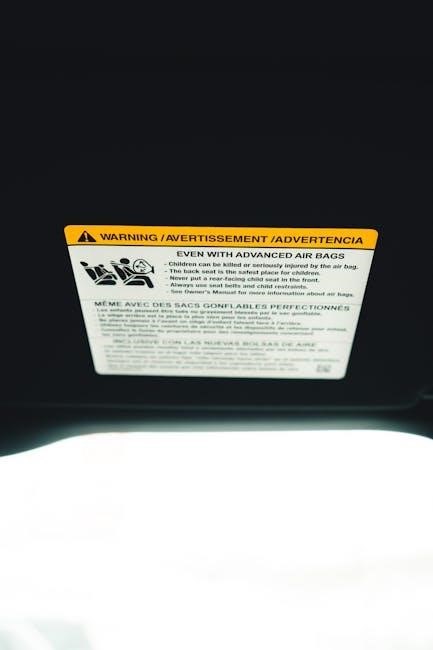
Your Nissan Rogue’s owner’s manual is the first and most readily available resource when encountering the “Warning Malfunction – See Owner’s Manual” message. It contains detailed explanations of the vehicle’s safety systems‚ including Automatic Emergency Braking‚ Forward Collision Warning‚ and Lane Departure Warning – all potential triggers for this alert.
Locate the section dedicated to the vehicle’s safety features and warning lights. The manual will outline the general meaning of the warning‚ potential causes‚ and recommended actions. However‚ remember the manual provides a broad overview; it may not pinpoint the exact issue. Understanding system limitations‚ as described in the manual‚ is also crucial for proper interpretation of the warning.
Locating Relevant Information in the Manual
To find specific details regarding the “Warning Malfunction” message‚ begin by consulting the index of your Nissan Rogue’s owner’s manual under “Warning Lights” or “Safety Systems.” Look for entries related to Automatic Emergency Braking (AEB)‚ Forward Collision Warning (FCW)‚ and Lane Departure Warning (LDW)‚ as malfunctions within these systems frequently trigger the alert.
The manual’s table of contents can also guide you to the relevant sections. Pay close attention to chapters detailing the operation and limitations of driver-assist technologies. Diagrams illustrating sensor locations and system functionality can be invaluable. Remember to cross-reference information; a single system issue can illuminate multiple warnings.
Understanding System Limitations
Nissan’s driver-assist technologies‚ including AEB‚ FCW‚ and LDW‚ are designed to assist the driver‚ not replace them. The owner’s manual clearly states these systems have limitations. Adverse weather conditions – heavy rain‚ snow‚ fog – can significantly impair sensor functionality‚ leading to false positives or system ineffectiveness. Similarly‚ damaged or obscured sensors (by dirt‚ ice‚ or physical obstructions) can cause malfunctions.
Low light conditions and glare can also affect camera-based systems. The manual emphasizes that drivers must remain attentive and prepared to take control at all times. Understanding these limitations is crucial for interpreting the “Warning Malfunction” message and avoiding over-reliance on these technologies.
Contacting Nissan Customer Support
If you’ve experienced the “Warning Malfunction” light and troubleshooting steps haven’t resolved the issue‚ contacting Nissan Customer Support is essential. You can reach them via phone at 1-800-NISSAN-USA (1-800-647-7261). Their website‚ www.nissanusa.com‚ provides a contact form and access to frequently asked questions.
When contacting support‚ have your Vehicle Identification Number (VIN) readily available. Be prepared to describe the circumstances surrounding the warning light’s activation‚ any recent repairs‚ and the troubleshooting steps you’ve already taken. Documenting these details will expedite the process. Nissan representatives can provide guidance on potential recalls‚ warranty coverage‚ and authorized service center locations.