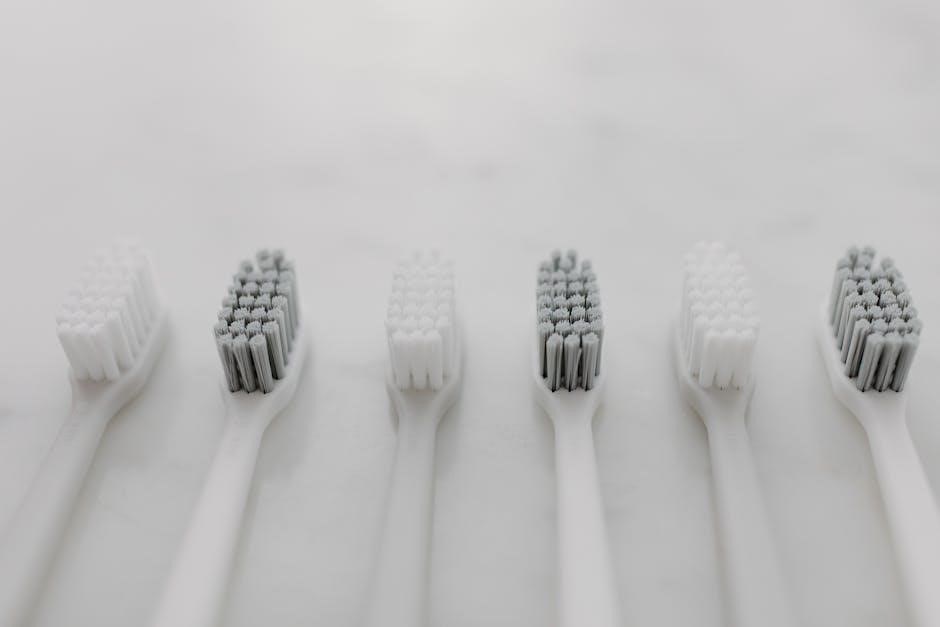
Currently, the American Dental Association (ADA) recommends using a toothbrush with soft bristles for effective plaque removal and optimal oral health maintenance․
The Importance of Bristle Texture
Bristle texture is paramount in oral hygiene, directly impacting both cleaning efficacy and potential for damage․ The ADA consistently advocates for soft bristles, as they effectively remove plaque without causing enamel erosion or gum irritation․ While medium and hard bristles were historically used, current understanding emphasizes their abrasive nature․
Soft bristles are gentle on sensitive tissues, crucial for individuals with gum recession or dental work․ Choosing the correct texture ensures thorough cleaning while safeguarding long-term oral health, preventing issues like increased sensitivity and gum disease․
Manual vs․ Electric Toothbrushes: A Brief Comparison
Both manual and electric toothbrushes can effectively remove plaque when used correctly, but bristle texture remains a key consideration for both types․ The ADA affirms that soft bristles are ideal regardless of the toothbrush chosen․ Electric toothbrushes often feature oscillating or rotating heads, potentially lessening the need for forceful scrubbing․
However, even with an electric brush, soft bristles are crucial to prevent damage․ Manual toothbrushes rely more on user technique, making soft bristles even more vital for gentle, effective cleaning․
Understanding Bristle Types
Toothbrush bristles come in soft, medium, and hard varieties, though dental professionals overwhelmingly recommend soft bristles for most individuals’ oral hygiene needs․
Soft Bristles: The Current Recommendation
The prevailing consensus among dental professionals, and organizations like the American Dental Association (ADA), is that soft-bristled toothbrushes are the most suitable choice for the majority of individuals․ These bristles effectively remove plaque and debris without causing undue abrasion to tooth enamel or irritation to gum tissues․
Soft bristles are gentle yet capable of reaching into tight spaces․ They minimize the risk of gum recession and increased tooth sensitivity, common concerns with firmer bristle types․ Choosing a soft-bristled brush supports long-term oral health and prevents potential damage․
Medium Bristles: Historical Use and Concerns
Historically, medium-bristled toothbrushes were commonly used, but their popularity has declined due to growing awareness of potential harm․ While offering a seemingly more robust cleaning action, medium bristles carry a higher risk of enamel erosion and gum irritation compared to softer alternatives․
Studies have indicated that medium bristles may not significantly improve plaque removal and can contribute to gingivitis or recession․ Consequently, dental professionals now generally advise against their routine use, favoring the gentler, yet effective, approach of soft bristles for most patients․
Hard Bristles: Why They Are Generally Discouraged
Hard-bristled toothbrushes are overwhelmingly discouraged by dental professionals due to their abrasive nature and potential for significant oral damage․ These bristles can cause irreversible harm to both tooth enamel and soft gum tissues, leading to sensitivity, recession, and even bleeding․
Despite a perceived stronger cleaning ability, hard bristles don’t effectively remove plaque and can exacerbate existing dental problems․ The ADA does not recommend their use, emphasizing that gentle cleaning with soft bristles is far more beneficial for long-term oral health․
The Science Behind Soft Bristles
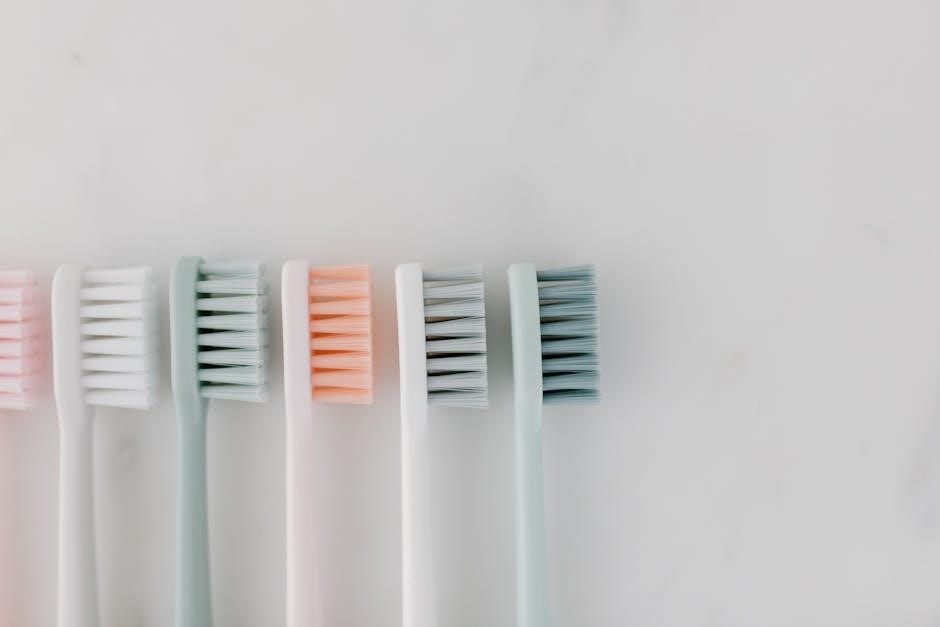
Research confirms soft bristles effectively remove plaque while minimizing enamel erosion and gum irritation, aligning with the ADA’s recommendations for optimal oral hygiene․
ADA Recommendations for Bristle Softness
The American Dental Association (ADA) consistently advocates for the use of soft-bristled toothbrushes․ This recommendation stems from extensive research demonstrating their superior ability to clean teeth effectively without causing damage․
Soft bristles are gentle on gums, reducing the risk of irritation and recession․ They also minimize abrasive wear on tooth enamel, preserving its integrity over time․
While medium and hard bristles were once common, the ADA now advises against their routine use due to their potential for harm․ Choosing a toothbrush with the ADA Seal of Acceptance ensures it meets stringent criteria for safety and efficacy, including bristle softness․
Impact of Bristle Texture on Enamel
Tooth enamel, the protective outer layer of teeth, is vulnerable to abrasion․ Hard and medium-bristled toothbrushes can inflict microscopic scratches on enamel over time, increasing sensitivity and the risk of cavities․
Soft bristles, conversely, are far less abrasive, effectively removing plaque and debris without compromising enamel integrity․ This gentle action preserves the natural shine and strength of teeth․
Studies highlight that prolonged use of abrasive brushes can lead to enamel erosion, particularly in individuals with thinner enamel or those who brush aggressively․ Prioritizing soft bristles is crucial for long-term enamel health․
Effect on Gum Health: Soft Bristles and Gingivitis
Gingivitis, the early stage of gum disease, is often caused by plaque buildup irritating the gums․ Soft bristles are instrumental in minimizing this irritation, gently removing plaque without causing trauma to delicate gum tissue․
Harder bristles can lead to gum recession and inflammation, exacerbating gingivitis․ Soft bristles allow for effective cleaning even in hard-to-reach areas, reducing the risk of bacterial accumulation․
The ADA emphasizes that soft bristles are less likely to cause bleeding or discomfort, promoting healthier gums and preventing the progression of gingivitis to more severe periodontal disease․
Factors Influencing Texture Choice
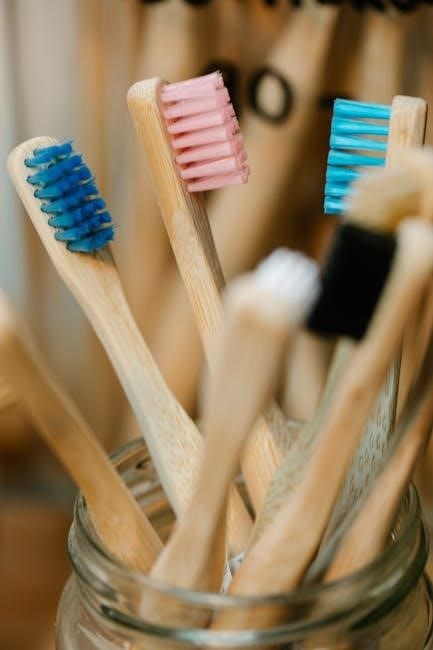
Individual gum sensitivity, existing dental work, and age all play a role in selecting the appropriate bristle texture for a manual toothbrush․
Individual Sensitivity and Gum Health
For individuals experiencing tooth sensitivity or possessing delicate gums, a soft-bristled manual toothbrush is overwhelmingly recommended by dental professionals․ These gentler bristles minimize irritation and prevent further damage to vulnerable tissues․ Aggressive brushing with medium or hard bristles can exacerbate sensitivity and contribute to gum recession․ Prioritizing soft bristles ensures effective cleaning without compromising gum health․ If bleeding occurs during brushing, it’s a clear indication to switch to a softer texture and consult a dentist․ Maintaining healthy gums is paramount for long-term oral well-being, and bristle choice significantly impacts this․
Presence of Dental Work (Fillings, Crowns, etc․)
Patients with fillings, crowns, veneers, or other dental restorations should consistently opt for a soft-bristled manual toothbrush․ Abrasive bristles can potentially damage these delicate treatments, leading to chipping, cracking, or loosening․ Soft bristles provide thorough cleaning around restorations without causing undue wear and tear․ Gentle brushing is crucial to preserve the integrity and longevity of dental work․ Regular dental check-ups are also vital to monitor the condition of restorations and ensure proper oral hygiene practices are maintained, alongside the appropriate bristle texture․
Age and Dexterity Considerations
For young children and older adults, or individuals with limited dexterity, a soft-bristled manual toothbrush is generally the most suitable choice․ These groups may have difficulty applying appropriate pressure, increasing the risk of enamel erosion or gum damage with firmer bristles․ Soft bristles are gentler and more forgiving, ensuring effective cleaning without causing harm․ Handle design also matters; larger grips can aid those with reduced hand strength, promoting proper brushing technique and maintaining optimal oral health․
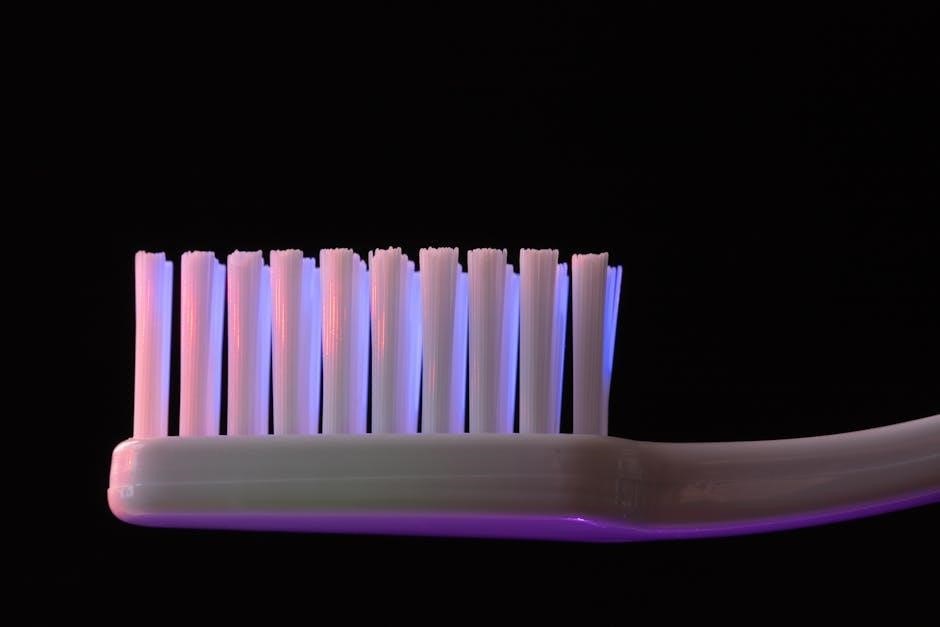
Research on Bristle Stiffness
Studies consistently demonstrate that soft-bristled toothbrushes are as effective as medium-bristled brushes for plaque removal, while minimizing potential damage․
Studies Comparing Soft and Medium Bristles
Research, including a study published in Materials (Basel) in 2020, directly compared the efficacy of soft and medium-bristled manual toothbrushes․ These investigations focused on plaque removal capabilities and potential impacts on oral tissues․
Findings generally indicate that soft bristles achieve comparable plaque reduction to medium bristles, but with significantly less risk of abrasion or gum irritation․ The ADA supports these conclusions, emphasizing that effective cleaning doesn’t necessitate harshness․
Consequently, dental professionals increasingly advocate for soft bristles as the standard recommendation, prioritizing long-term gum health and enamel preservation over perceived cleaning power․
Findings on Plaque Removal Efficiency
Studies consistently demonstrate that both manual and electric toothbrushes, regardless of bristle texture, are effective at removing oral plaque when used correctly․ However, the key lies in technique, not necessarily bristle stiffness․
Research suggests soft bristles can achieve comparable plaque removal to medium bristles, while minimizing the risk of enamel erosion and gum damage․ This challenges the notion that firmer bristles are superior for cleaning․
The ADA affirms that proper brushing technique, coupled with soft bristles, is sufficient for maintaining optimal oral hygiene and preventing dental issues․
Long-Term Effects of Different Bristle Types
Long-term use of medium or hard-bristled toothbrushes can lead to significant dental problems․ These include gum recession, increased tooth sensitivity, and damage to tooth enamel, ultimately compromising oral health․
Conversely, consistent use of soft-bristled brushes minimizes these risks, promoting healthier gums and protecting enamel over time․ This gentle approach supports long-term dental well-being․
The ADA’s recommendation for soft bristles stems from evidence showing their sustained effectiveness without causing abrasive damage, ensuring a healthier mouth for years to come․
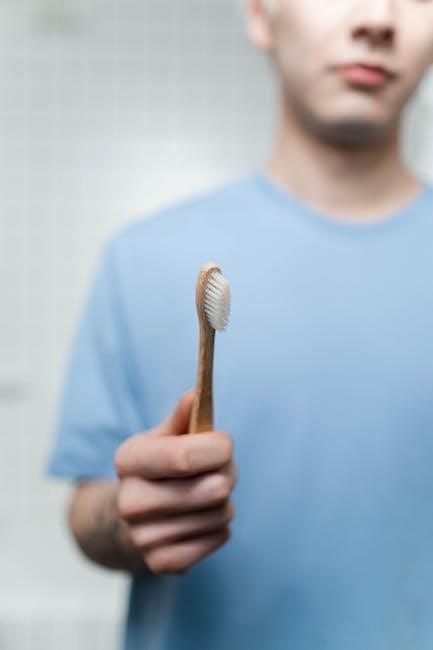
Beyond Softness: Other Bristle Characteristics
Nylon bristles are generally preferred over natural ones, and rounded bristles are crucial to prevent gum irritation and enamel damage during brushing․
Bristle Material (Nylon vs․ Natural)
Historically, toothbrushes utilized natural bristles sourced from animal hair, but modern toothbrushes overwhelmingly employ nylon filaments․ Nylon offers significant advantages, including superior cleaning efficacy and enhanced durability․
Natural bristles possess microscopic splits that can harbor bacteria, posing a hygiene concern, while nylon is non-porous and easier to keep clean․ Furthermore, nylon bristles maintain their shape and stiffness longer, providing consistent cleaning performance․
The ADA recommends nylon bristles for optimal oral hygiene, ensuring effective plaque removal and minimizing bacterial buildup;
Bristle Shape (Rounded vs․ Flat)
The shape of toothbrush bristles significantly impacts gum health and enamel protection․ While flat-ended bristles were common in the past, rounded bristles are now universally recommended by dental professionals․
Rounded bristles are designed to conform to the natural contours of teeth and gums, minimizing abrasion and reducing the risk of irritation or damage․ Flat bristles can be more aggressive, potentially causing gum recession and increased tooth sensitivity over time․
The ADA emphasizes the importance of rounded bristles for gentle yet effective cleaning․
Bristle Density and Arrangement
Bristle density and arrangement play a crucial role in a toothbrush’s cleaning effectiveness․ A higher bristle density generally means more contact points for plaque removal, contributing to a more thorough clean․
However, density must be balanced with comfort; overly dense bristles can be irritating․ Arrangement, such as criss-cross or multi-level patterns, aims to reach different areas of the mouth and disrupt plaque in hard-to-reach spots․
Combined with soft bristles, optimal density and arrangement enhance cleaning without causing damage․
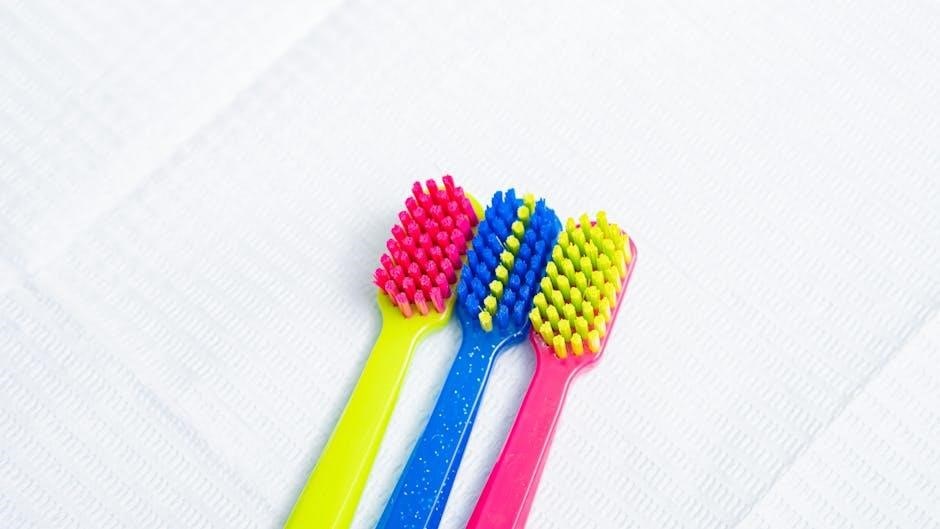
Choosing the Right Manual Toothbrush
Opt for a toothbrush displaying the ADA Seal of Acceptance, ensuring it meets safety and efficacy standards, and features soft bristles for gentle cleaning․
Looking for the ADA Seal of Acceptance
When selecting a manual toothbrush, prioritize products bearing the American Dental Association (ADA) Seal of Acceptance․ This signifies the toothbrush has undergone rigorous testing to demonstrate both safety and effectiveness in removing plaque and maintaining oral health․
Crucially, toothbrushes with the ADA seal consistently feature soft bristles, as these are proven to clean effectively without causing damage to enamel or gum tissue․
The ADA doesn’t grant its seal to toothbrushes with medium or hard bristles due to the potential for abrasive wear and gum irritation․
Considering Handle Design and Grip
While bristle texture is paramount – soft bristles being the universally recommended choice – a comfortable handle design enhances brushing technique and duration․
Look for a handle that allows for a secure, non-slip grip, even when wet, promoting proper control and maneuverability within the mouth․
Ergonomic designs can aid individuals with limited dexterity, ensuring effective cleaning with soft bristles regardless of physical limitations․
Replacing Your Toothbrush Regularly
Regardless of bristle texture – always prioritize soft bristles – consistent replacement is crucial for maintaining optimal oral hygiene․
Dentists generally recommend replacing your manual toothbrush every three to four months, or sooner if the bristles become frayed or worn․
Frayed bristles lose their effectiveness in removing plaque, even if they are soft, and can harbor bacteria․

Potential Problems with Incorrect Texture
Using abrasive bristles can lead to gum recession, increased tooth sensitivity, and potential damage to fillings or other dental restorations․
Gum Recession from Abrasive Bristles
Aggressive brushing with hard or medium-bristled toothbrushes can significantly contribute to gum recession over time․ The abrasive action physically wears away gum tissue, exposing more of the tooth root․ This recession isn’t always immediately noticeable, developing gradually with continued use of incorrect textures․
Soft bristles are gentler, effectively cleaning without causing trauma to delicate gum tissues․ Consistent use of softer bristles minimizes the risk of recession, preserving gum health and tooth support․ Protecting gums is crucial for long-term dental wellbeing, and texture choice plays a vital role․
Increased Tooth Sensitivity
Using a toothbrush with hard bristles can erode tooth enamel, the protective outer layer of teeth, leading to increased sensitivity․ As enamel wears away, the underlying dentin—containing microscopic tubules connected to the nerve—becomes exposed․ This exposure allows stimuli like hot, cold, or sweet foods to directly irritate the nerve, causing discomfort․
Soft bristles are less likely to cause enamel erosion, preserving the tooth’s natural defense against sensitivity․ Choosing the right texture is paramount for maintaining comfortable oral function․
Damage to Dental Restorations
Abrasive toothbrush bristles, particularly those classified as medium or hard, pose a risk to dental restorations like fillings and crowns․ These restorations, while durable, aren’t as resilient as natural enamel․ Vigorous brushing with a harsh texture can wear down the margins of restorations over time, creating spaces where bacteria can accumulate․
This can lead to secondary decay and potential restoration failure․ Soft bristles are gentler, minimizing the risk of damaging these crucial dental repairs․
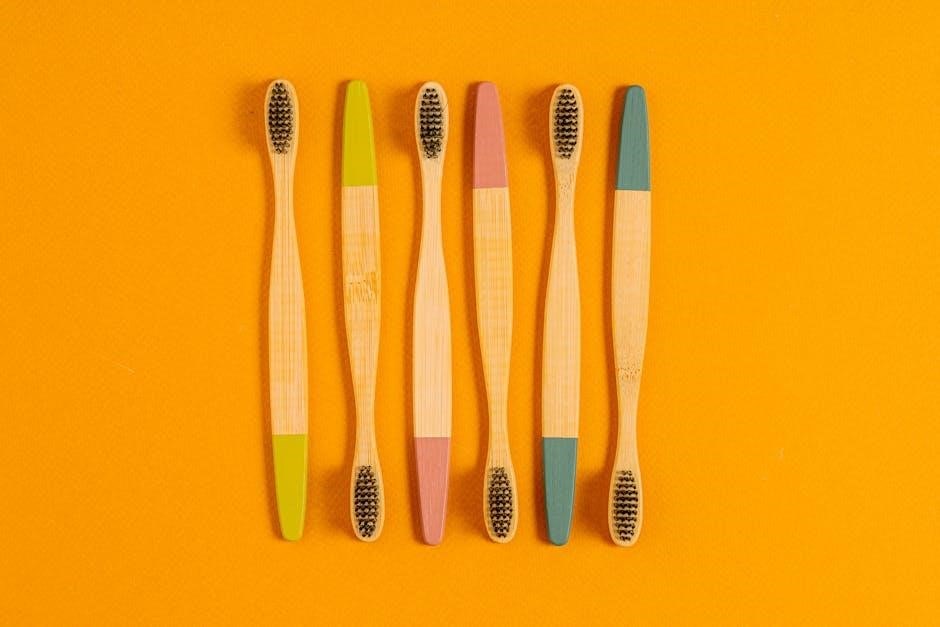
Texture and Specific Dental Conditions
For individuals with braces or periodontal disease, dentists generally recommend utilizing a soft-bristled toothbrush to prevent irritation and promote healing․
Toothbrush Texture for People with Braces
Individuals undergoing orthodontic treatment with braces require a gentle approach to oral hygiene․ Dentists consistently recommend soft-bristled toothbrushes for patients with braces, as they effectively clean around brackets and wires without causing damage or irritation to the gums․
Medium or hard bristles can bend wires and potentially dislodge brackets, leading to extended treatment times and increased dental costs․ Soft bristles are less abrasive, minimizing the risk of enamel erosion and gum recession, common concerns during orthodontic care․
Careful and thorough brushing with a soft-bristled brush is crucial for maintaining optimal oral health while wearing braces․
Recommendations for Individuals with Periodontal Disease
For individuals managing periodontal disease, selecting the right toothbrush texture is paramount to prevent further inflammation and damage․ Dental professionals universally advise using extra-soft or soft-bristled toothbrushes․ These gentle bristles effectively remove plaque and debris from periodontal pockets without traumatizing the sensitive gum tissues․
Aggressive brushing with medium or hard bristles can exacerbate gum recession and bleeding, worsening the condition․
Combining a soft-bristled brush with proper brushing technique and regular dental cleanings is essential for controlling periodontal disease and maintaining long-term oral health;
Texture Considerations After Dental Surgery
Following dental surgery, prioritizing gentle oral hygiene is crucial for proper healing and preventing complications․ Dentists consistently recommend utilizing an ultra-soft or soft-bristled toothbrush immediately post-procedure․ These bristles minimize irritation to surgical sites and avoid disrupting blood clot formation, which is vital for initial recovery․
Avoid medium or hard bristles, as they can cause pain, bleeding, and potentially dislodge sutures․
As healing progresses, your dentist will advise when you can gradually return to a standard soft-bristled brush․

Future Trends in Toothbrush Technology
Innovations may lead to personalized bristle textures, but currently, soft bristles remain the universally recommended choice for effective and safe cleaning․
Innovations in Bristle Materials
Despite advancements in materials like tapered filaments and enhanced polymers, the core recommendation remains consistent: soft bristles are best․ Research focuses on improving softness within these new materials, aiming for gentler yet effective cleaning․ While nylon dominates, explorations into bio-based and recyclable options continue․ These innovations don’t change the need for gentle cleaning; they refine how that softness is achieved․ The goal is to minimize abrasion while maximizing plaque disruption․ Ultimately, the ideal toothbrush, regardless of material, prioritizes gum health and enamel preservation through soft, flexible bristles, as consistently advised by dental professionals․
Smart Manual Toothbrushes with Pressure Sensors
Even with the integration of smart technology, the fundamental advice persists: prioritize soft bristles․ Pressure sensors in these toothbrushes aren’t altering the type of bristle recommended, but rather guiding users to apply appropriate force with those soft bristles․ Excessive pressure, even with a soft-bristled brush, can cause damage․ These sensors help reinforce proper technique, ensuring gentle cleaning․ The technology complements the existing recommendation, promoting optimal oral health by preventing over-brushing and safeguarding gums and enamel․ Softness remains the cornerstone of effective, safe brushing․
Personalized Bristle Texture Recommendations
While advancements aim for tailored oral care, the baseline recommendation still centers around soft bristles for the majority of individuals․ Future technology might analyze gum health, sensitivity levels, and brushing habits to confirm soft bristles, or, in rare cases, suggest a slightly different texture – always under dental professional guidance․ However, widespread adoption of medium or hard bristles is unlikely․ Personalization will refine technique and reinforce the core principle: gentle, effective cleaning with soft bristles remains paramount for long-term oral health․