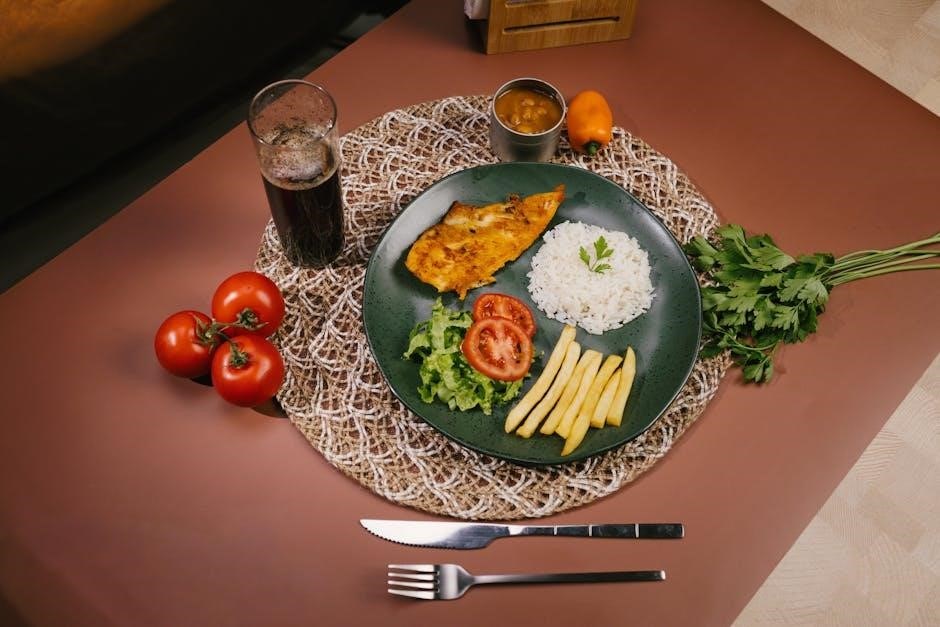
Understanding GERD and Diet
Gastroesophageal reflux is a chronic condition stemming from stomach acid flowing back into the esophagus, often due to a malfunctioning lower esophageal sphincter.
Numerous resources offer free, printable GERD diet plans (PDFs) designed to alleviate symptoms, focusing on identifying and avoiding trigger foods for rapid relief.
A 7-day GERD diet plan, like those available for download, aims to soothe and heal acid reflux through strategic food choices and mindful eating habits.
What is Gastroesophageal Reflux Disease (GERD)?
Gastroesophageal Reflux Disease (GERD), a prevalent chronic digestive disease, occurs when stomach content repeatedly flows back into the esophagus, irritating its lining. This backwash, known as acid reflux, happens when the lower esophageal sphincter (LES) – a muscular ring separating the esophagus from the stomach – doesn’t close properly after food passes through.
Consequently, stomach acid, and sometimes even stomach contents, can rise up, causing troublesome symptoms like heartburn, regurgitation, and chest pain. While occasional acid reflux is common, GERD is diagnosed when these symptoms occur frequently – more than twice a week – and interfere with daily life.
Managing GERD often involves lifestyle modifications, including dietary changes. Many individuals seek free GERD diet plan menus in PDF format to guide their food choices and minimize reflux episodes, aiming for long-term symptom control and improved quality of life.
The Role of the Lower Esophageal Sphincter
The lower esophageal sphincter (LES) is a crucial ring of muscle located where the esophagus joins the stomach. Its primary function is to relax to allow food and liquids to pass into the stomach, then to tightly close to prevent stomach contents from flowing back up into the esophagus.
In individuals with Gastroesophageal Reflux Disease (GERD), the LES weakens or relaxes inappropriately, leading to frequent acid reflux. This malfunction allows stomach acid to irritate the esophageal lining, causing characteristic GERD symptoms. Certain foods can exacerbate this issue by further relaxing the LES.
Consequently, dietary adjustments, often outlined in free GERD diet plan menus available as PDFs, are vital for managing the condition. These plans emphasize foods that don’t trigger LES relaxation and promote overall digestive health, helping to minimize reflux and its associated discomfort.
Common GERD Symptoms
Gastroesophageal Reflux Disease (GERD) manifests through a variety of uncomfortable symptoms, primarily centered around the esophagus and stomach; The most recognizable symptom is heartburn – a burning sensation in the chest, often rising towards the throat. This occurs when stomach acid irritates the esophageal lining.
Other frequent symptoms include regurgitation (the backflow of stomach contents into the mouth), difficulty swallowing (dysphagia), and a persistent cough. Some individuals experience chest pain, even mimicking heart attack symptoms, and may suffer from chronic sore throat or hoarseness.
Managing these symptoms often involves lifestyle and dietary changes, with many seeking guidance from free GERD diet plan menus in PDF format. These resources provide a structured approach to identifying and avoiding foods that trigger or worsen GERD symptoms, promoting relief and improved quality of life.
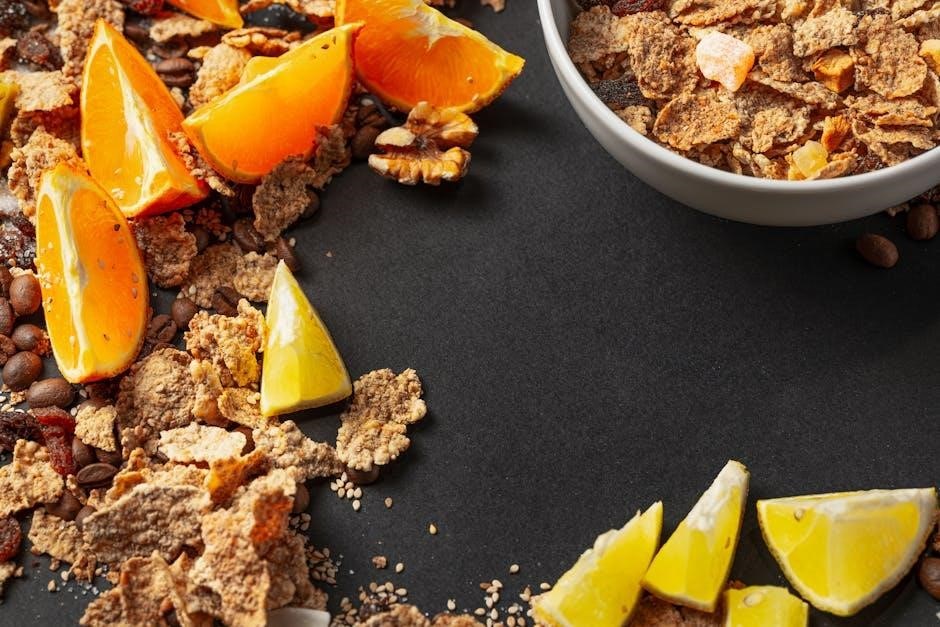
Foods That Trigger GERD
Certain foods commonly exacerbate GERD symptoms by relaxing the lower esophageal sphincter or increasing stomach acid production, as detailed in free PDF diet plans.
Identifying these personal triggers is key to managing GERD effectively through a tailored dietary approach.
High-Fat Foods and GERD
High-fat foods are notorious GERD triggers, significantly increasing the risk of acid reflux and heartburn. Their slow digestion process prolongs stomach fullness, elevating pressure on the lower esophageal sphincter (LES). This increased pressure weakens the LES, allowing stomach acid to easily flow back into the esophagus.
Foods rich in fat, such as fried items, fatty meats (bacon, sausage), full-fat dairy products (cheese, whole milk), and even seemingly innocuous options like avocado in large quantities, can all contribute to GERD symptoms. Many free GERD diet plan PDFs emphasize drastically reducing or eliminating these foods for symptom relief.
These downloadable resources often provide alternative, lower-fat options to satisfy cravings without exacerbating acid reflux. Understanding the link between fat intake and GERD is crucial for creating a personalized diet plan, and these PDFs serve as valuable guides.
Citrus Fruits and GERD
Citrus fruits, while packed with Vitamin C, are frequent culprits in triggering GERD symptoms due to their high acidity. This acidity can irritate the esophageal lining, exacerbating heartburn and discomfort. Common offenders include oranges, grapefruits, lemons, and limes, as well as their juices.
Many individuals with GERD find that even small portions of citrus can provoke a reflux episode. Free GERD diet plan PDFs consistently recommend limiting or avoiding these fruits, particularly during symptom flare-ups. These plans often suggest alternatives that provide essential nutrients without the acidic punch.
The downloadable resources emphasize careful monitoring of individual tolerance, as sensitivity to citrus varies. Identifying your personal trigger foods is key, and these PDFs offer guidance on how to do so effectively, helping you tailor a diet for optimal relief.
Chocolate and GERD
Chocolate, a beloved treat, unfortunately often aggravates GERD symptoms. This is due to a combination of factors: its high fat content, which delays stomach emptying, and the presence of methylxanthines like caffeine and theobromine, which can relax the lower esophageal sphincter (LES). A relaxed LES allows stomach acid to flow back into the esophagus.
Free GERD diet plan PDFs universally advise moderation or avoidance of chocolate, especially dark chocolate, which tends to have a higher cocoa content and therefore, more methylxanthines. These downloadable resources highlight that even small amounts can trigger heartburn in susceptible individuals.
The plans often suggest exploring alternatives like carob, which offers a similar flavor profile without the GERD-inducing compounds. Careful self-monitoring, guided by the information in these PDFs, is crucial to determine your personal tolerance level and create a comfortable dietary approach.
Spicy Foods and GERD
Spicy foods are notorious GERD triggers, and consistently appear on lists of foods to avoid in downloadable GERD diet plan PDFs. Capsaicin, the chemical compound responsible for the heat in chili peppers, is the primary culprit. It can irritate the esophageal lining directly, exacerbating inflammation and discomfort.
Furthermore, spicy foods can stimulate acid production in the stomach and delay gastric emptying, increasing the likelihood of reflux. Many free, printable plans recommend eliminating or significantly reducing intake of chili peppers, cayenne pepper, and heavily spiced dishes.
These PDF menus often suggest milder seasoning options, like herbs and spices that don’t contain capsaicin. Individual tolerance varies, so careful tracking of symptoms, as encouraged by these resources, is key to personalizing your diet and minimizing GERD flare-ups.

Caffeine and GERD
Caffeine is a well-documented trigger for GERD, frequently highlighted in GERD diet plan PDFs available for free download. It relaxes the lower esophageal sphincter (LES), the muscle that prevents stomach acid from flowing back into the esophagus, increasing the risk of acid reflux.
Beyond LES relaxation, caffeine also stimulates gastric acid secretion, further contributing to esophageal irritation. Common sources like coffee, tea, and soda are often restricted or eliminated in initial phases of a printable GERD diet.
Many downloadable PDF menus suggest switching to decaffeinated beverages or herbal teas as alternatives. Individual sensitivity to caffeine varies, so monitoring symptoms while gradually reducing intake is recommended. These plans emphasize mindful consumption and awareness of hidden caffeine sources in foods and medications.
Carbonated Beverages and GERD
Carbonated beverages are consistently identified as GERD triggers within comprehensive GERD diet plan PDFs offered for free download. The bubbles increase pressure within the stomach, potentially forcing stomach acid upwards into the esophagus, exacerbating heartburn symptoms.

This increased abdominal pressure can also weaken or relax the lower esophageal sphincter (LES), allowing for easier reflux. Printable GERD diet resources often recommend complete avoidance of sodas, sparkling water, and other fizzy drinks, particularly during initial symptom management.
Many downloadable PDF menus suggest substituting carbonated drinks with still water, herbal teas, or diluted fruit juices. Individual tolerance levels differ, but eliminating these beverages is a common first step; These plans emphasize understanding how beverage choices impact GERD symptoms and promoting healthier alternatives.
Alcohol and GERD
Alcohol frequently appears on lists of GERD trigger foods within free GERD diet plan PDFs. It relaxes the lower esophageal sphincter (LES), the muscle that prevents stomach acid from flowing back into the esophagus, increasing the likelihood of acid reflux and heartburn.
Furthermore, alcohol can directly irritate the esophageal lining, intensifying discomfort. Printable GERD diet resources commonly advise limiting or eliminating alcohol consumption, especially during periods of active symptoms. Different types of alcohol may have varying effects, but all generally worsen GERD.
Many downloadable PDF menus suggest alternatives like sparkling water with a lemon slice or herbal teas. These plans highlight the importance of mindful consumption and understanding alcohol’s impact on digestive health. Complete avoidance is often recommended for significant symptom relief, as detailed in comprehensive guides.
Tomatoes and Tomato-Based Products & GERD
Tomatoes and tomato-based products, like sauces, ketchup, and juice, are frequently identified as GERD triggers in free GERD diet plan PDFs. Their high acidity contributes to increased stomach acid production, potentially leading to heartburn and reflux symptoms.
Printable GERD diet resources often recommend limiting or avoiding these foods, particularly during symptom flare-ups. While nutritional benefits exist, the acidic nature often outweighs them for individuals prone to acid reflux. Many downloadable PDF menus offer suitable alternatives.
These alternatives include lower-acid vegetables and seasonings. Comprehensive guides emphasize that individual tolerance varies; some may handle small amounts, while others experience significant discomfort. Careful monitoring and personalized adjustments, as outlined in detailed PDFs, are crucial for effective GERD management.

GERD-Friendly Foods
Free GERD diet plan PDFs highlight high-fiber, lean protein, and alkaline foods as beneficial. Ginger and non-citrus fruits also soothe the digestive system.
High-Fiber Foods for GERD
High-fiber foods play a crucial role in managing GERD symptoms, as detailed in many free GERD diet plan PDFs. Fiber absorbs stomach acid, potentially reducing reflux, and promotes healthy digestion.
Excellent choices include whole grains like oatmeal and brown rice, root vegetables such as sweet potatoes and carrots, and green vegetables like broccoli and asparagus. These foods add bulk to stool, preventing constipation, which can exacerbate GERD.
Printable GERD diet plans often emphasize incorporating fiber gradually to avoid bloating and gas, which can also trigger discomfort. Aim for 25-30 grams of fiber daily, spread throughout your meals. Remember to drink plenty of water alongside increased fiber intake to aid digestion and prevent constipation.
Focusing on these fiber-rich options, as outlined in downloadable resources, can significantly contribute to a GERD-friendly diet and improved digestive health.
Lean Proteins and GERD
Lean proteins are foundational components of a GERD-friendly diet, frequently highlighted in free GERD diet plan PDFs. Unlike high-fat proteins, lean sources don’t stimulate acid production as much, reducing the likelihood of reflux.
Excellent choices include skinless chicken or turkey breast, fish (especially baked or grilled), and plant-based proteins like tofu. These options provide essential amino acids without the added fats that can relax the lower esophageal sphincter.
Printable GERD diet plans often suggest preparing lean proteins by baking, grilling, or poaching, avoiding frying which adds unnecessary fat. Portion control is also key; moderate servings are recommended.
Incorporating lean proteins, as detailed in downloadable resources, supports overall health while minimizing GERD symptoms, contributing to a more comfortable and manageable dietary approach.
Alkaline Foods for GERD
Alkaline foods are frequently emphasized within free GERD diet plan PDFs as a strategy to neutralize stomach acid and alleviate discomfort. While the body tightly regulates pH, consuming foods with a higher pH may offer symptomatic relief for some individuals.
Examples of alkaline-forming foods include bananas, melons, cauliflower, fennel, and nuts. These foods are often recommended as alternatives to acidic triggers, as detailed in downloadable diet guides.
Printable GERD diet plans often suggest incorporating these foods into meals and snacks, promoting a more balanced internal environment. However, it’s important to note that the alkaline diet’s impact on GERD is still debated.
Utilizing alkaline foods, as outlined in available resources, can be a helpful addition to a comprehensive GERD management plan, alongside other dietary and lifestyle modifications.
Ginger and GERD
Ginger is frequently highlighted in free GERD diet plan PDFs for its potential anti-inflammatory properties and ability to soothe the digestive system. Many downloadable guides recommend incorporating ginger into meals or consuming it as a tea.
It’s believed that ginger can help reduce nausea and promote gastric emptying, potentially lessening the frequency and severity of GERD symptoms. However, it’s crucial to consume ginger in moderation, as excessive amounts may worsen acid reflux for some individuals.
Printable GERD diet plans often suggest adding small amounts of fresh ginger to recipes or sipping ginger tea between meals. These resources emphasize the importance of observing your body’s response.
While not a cure-all, ginger can be a valuable addition to a GERD-friendly diet, as detailed in readily available online resources and downloadable plans.
Non-Citrus Fruits for GERD
Free GERD diet plan PDFs consistently emphasize the benefits of incorporating non-citrus fruits into your diet, as they are generally less acidic and less likely to trigger reflux. These downloadable resources often feature lists of recommended fruits.
Melons, such as cantaloupe and honeydew, are frequently highlighted as excellent choices due to their low acidity and high water content. Bananas are also commonly recommended for their soothing effect on the esophagus.
Pears and apples (especially peeled) are often included in sample meal plans found within these printable guides, offering fiber and essential nutrients without exacerbating GERD symptoms.
These GERD diet plans advise avoiding citrus fruits like oranges and grapefruits, and instead focusing on these gentler alternatives for a more comfortable digestive experience.

7-Day GERD Diet Plan Overview
Downloadable GERD diet plans (PDFs) offer a structured 7-day approach to reduce acid reflux, focusing on trigger food elimination and gradual reintroduction for relief.
Sample 7-Day GERD Diet Plan (General Structure)
A typical 7-day GERD diet plan, often available as a free PDF download, generally begins with a phase of strict trigger food avoidance. Days 1-3 prioritize eliminating common culprits like high-fat foods, chocolate, caffeine, carbonated drinks, alcohol, and spicy or acidic items (tomatoes, citrus).
Meals emphasize bland, easily digestible options – lean proteins (chicken, fish), steamed vegetables, and whole grains. Days 4-7 introduce a cautious reintroduction of potential triggers, one at a time, to pinpoint individual sensitivities.
Careful monitoring of symptoms is crucial during this phase. Portion control and mindful eating are consistently emphasized throughout the week. Hydration with water is encouraged, while avoiding beverages that exacerbate reflux. These plans aim to provide rapid relief and long-term management.
Day 1-3: Initial Reduction of Trigger Foods
The first three days of a GERD diet plan (often found as a free PDF) focus on drastically reducing common irritants. Eliminate high-fat foods, fried items, and processed snacks. Completely avoid chocolate, caffeine (coffee, tea, soda), and carbonated beverages, as these relax the lower esophageal sphincter.
Alcohol, spicy foods, and citrus fruits (oranges, lemons, grapefruit) are also removed. Tomato-based products, like sauces and ketchup, should be avoided due to their acidity. Meals should consist of bland, easily digestible foods: boiled or steamed chicken or fish, cooked vegetables (green beans, carrots), and small portions of whole grains like oatmeal.
Prioritize hydration with water. This initial phase aims to calm the esophagus and reduce acid production, providing immediate symptom relief.

Day 4-7: Gradual Reintroduction & Monitoring
Following the initial reduction, days 4-7 of a GERD diet plan (available as a free PDF download) involve carefully reintroducing potential trigger foods, one at a time. Begin with a small portion of a previously eliminated food – perhaps a small piece of chocolate or a cup of weak tea.
Meticulously monitor your body for any returning GERD symptoms like heartburn, regurgitation, or bloating. If symptoms reappear, immediately remove that food from your diet again. This process helps pinpoint your individual trigger foods. Continue to prioritize GERD-friendly foods like lean proteins, high-fiber options, and alkaline choices.
Maintain a food diary to track intake and symptoms. This phase is crucial for creating a personalized, long-term GERD management plan.

Creating Your Personalized GERD Diet

Free GERD diet PDFs help identify personal triggers, emphasizing meal timing, portion control, and hydration for effective, long-term symptom management and relief.
Identifying Your Personal Trigger Foods
Pinpointing individual GERD triggers is crucial for crafting an effective diet. While general guidelines exist – like avoiding high-fat foods, citrus, chocolate, and caffeine – reactions vary significantly.
Utilizing a food diary alongside a free downloadable GERD diet plan PDF is highly recommended. Record everything consumed and meticulously note any resulting symptoms, such as heartburn, regurgitation, or bloating.
A systematic elimination diet, guided by the PDF’s suggestions, can be incredibly insightful. Remove suspected foods for a set period (typically 2-3 weeks) and then reintroduce them one at a time, carefully monitoring your body’s response.
Pay attention to portion sizes, as even tolerated foods can cause issues when eaten in excess. The downloadable plans often provide guidance on appropriate serving sizes. Consistency in tracking is key to uncovering your unique trigger profile.
Meal Timing and Portion Control
Strategic meal timing significantly impacts GERD symptoms. Avoid large meals, especially before bedtime, as this increases the risk of acid reflux. A free GERD diet plan PDF often emphasizes smaller, more frequent meals throughout the day.
Allow at least 2-3 hours between your last meal and lying down. This provides ample time for digestion and reduces the likelihood of stomach acid flowing back into the esophagus.
Portion control is equally vital. Overeating stretches the stomach, increasing pressure on the lower esophageal sphincter. Utilize the serving size recommendations found within your downloaded GERD diet plan.
Eating slowly and chewing food thoroughly aids digestion and minimizes discomfort. Consider elevating the head of your bed to further prevent nighttime reflux, complementing the dietary adjustments outlined in the PDF.
Hydration and GERD
Adequate hydration is crucial for overall health and can influence GERD symptoms, though the type of liquid matters. Water is the best choice, aiding digestion and helping neutralize stomach acid. Many free GERD diet plan PDFs highlight water intake as a key component.
However, avoid excessive fluid intake with meals, as this can distend the stomach and exacerbate reflux. Sip water throughout the day rather than drinking large amounts during eating.
Certain beverages, detailed in downloadable GERD diet plans, should be limited or avoided. These include carbonated drinks, caffeine, alcohol, and citrus juices, all known triggers for acid reflux.
Herbal teas, like chamomile or ginger tea (in moderation), may offer soothing benefits. Prioritize water and be mindful of beverage choices to support your GERD management strategy, as outlined in your chosen PDF.

Resources for GERD Diet Plans (PDF Downloads)
Numerous websites offer free printable GERD diet plans in PDF format, providing structured menus and guidance for managing acid reflux symptoms effectively.
Athos 2.0 and Nutrition Resolution are examples of sources with downloadable plans, aiding in identifying trigger foods and promoting healing.
Finding Free Printable GERD Diet Plans
Locating accessible GERD diet plans in PDF format is surprisingly straightforward with a multitude of online resources. Several websites specialize in health and nutrition, offering downloadable plans designed to alleviate acid reflux and heartburn symptoms. Nutrition Resolution provides a comprehensive 7-day acid reflux diet PDF, detailing foods to eat and avoid for soothing and healing;
Athos 2.0 also features a 7-day sample GERD diet plan, readily available as a printable PDF, aimed at reducing discomfort. A quick internet search using keywords like “GERD diet plan PDF,” “acid reflux diet printable,” or “free GERD menu” will yield numerous options.
Frank W. Jackson, M.D. authored a GASTROESOPHAGEAL REFLUX DISEASE DIET, potentially available through medical institutions or online archives. Remember to evaluate the source’s credibility before implementing any dietary changes, ensuring the information aligns with professional medical advice.
Reliable Sources for GERD Dietary Information
Seeking trustworthy GERD dietary guidance is crucial for effective management of symptoms. Medical professionals, such as gastroenterologists and registered dietitians, offer personalized advice based on individual needs. Reputable healthcare organizations, like the Mayo Clinic and the National Institute of Diabetes and Digestive and Kidney Diseases (NIDDK), provide evidence-based information on GERD and diet.
Websites affiliated with major hospitals and universities often feature detailed articles and resources. Nutrition Resolution and resources linked through Athos 2.0 offer downloadable plans, but always cross-reference with medical expertise.
Dr. Frank W. Jackson’s authored diet, while potentially helpful, should be reviewed in consultation with a physician. Prioritize sources that emphasize a balanced approach, focusing on identifying personal trigger foods and promoting overall digestive health, rather than restrictive fad diets.